You Know Your Stress Reflex. Now Learn What It Does to Your Marriage.
Stress Reflex reveals why the harder you push to fix your marriage, the more stuck you can both become—and the six automatic patterns that take over under pressure, even when you love each other and know better.
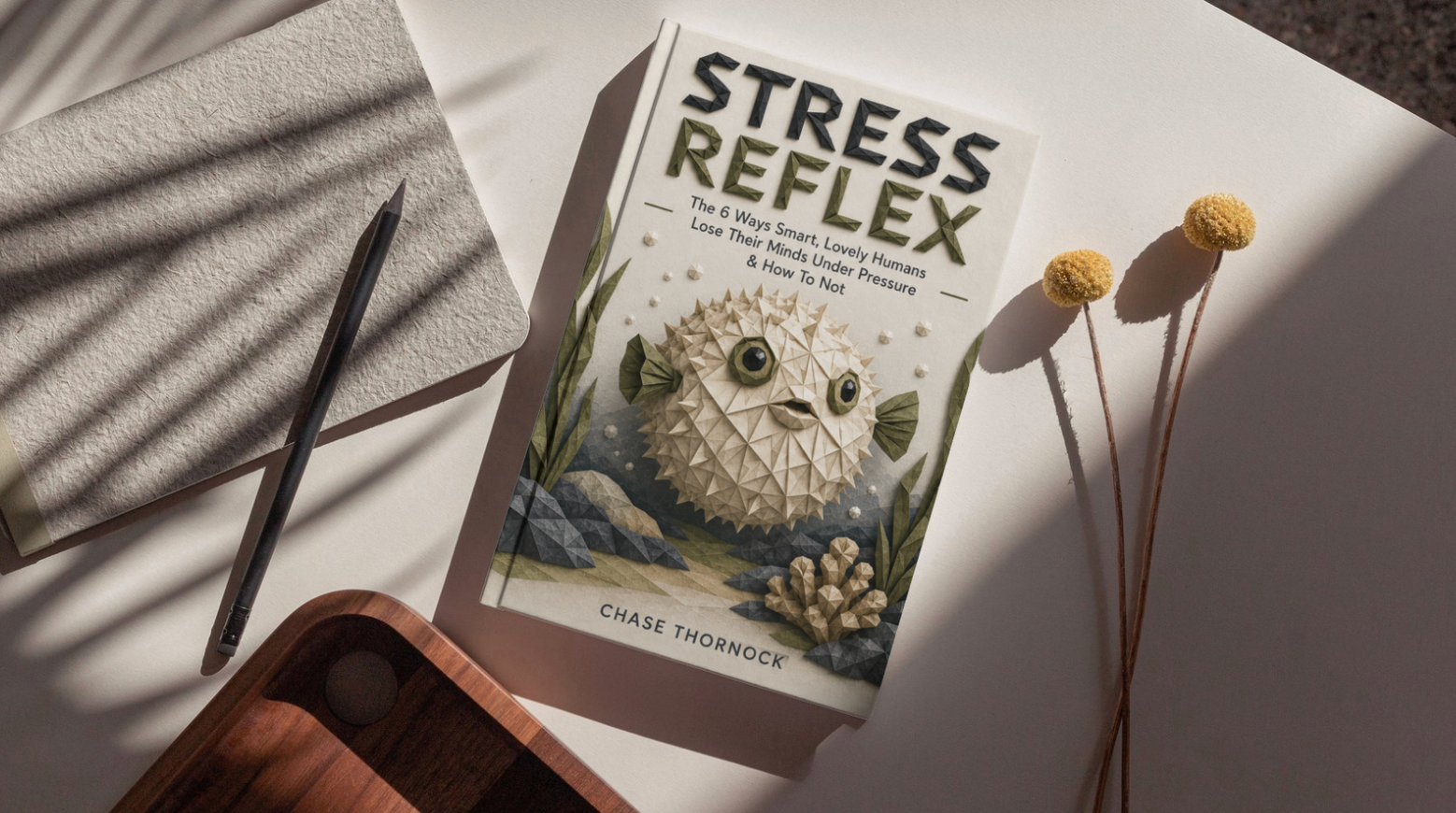
Get Stress Reflex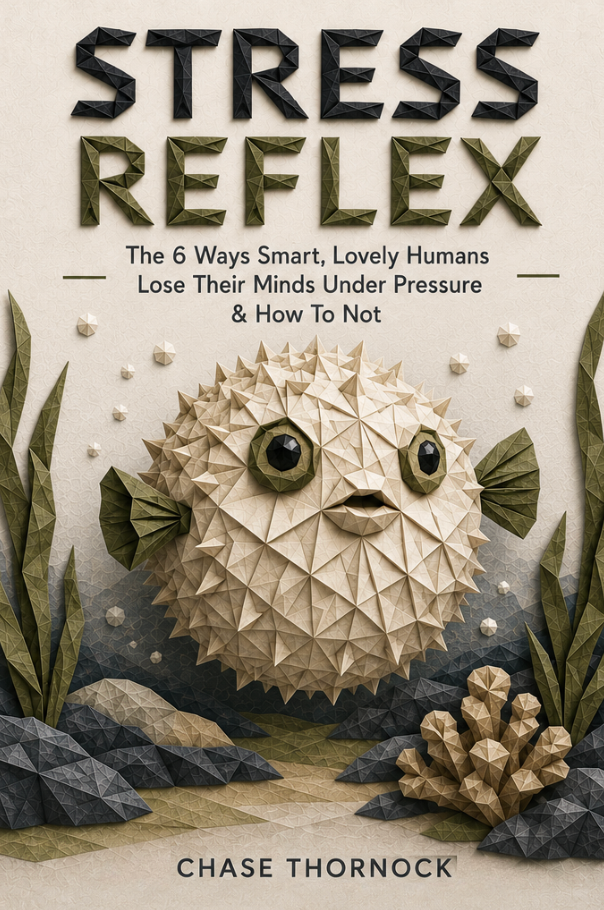

Why Does Trying Harder to Fix Your Marriage Keep Making It Worse?
Most couples don’t struggle because they don’t know what to do. You may already know you should communicate better, stay calmer, give each other space, or stop having the same fight. You may even be the one constantly trying to move the marriage forward. The problem is that knowing what to do and being able to do it when your nervous system is activated are two very different things.
A Stress Reflex is the automatic pattern your nervous system reaches for when something feels disconnected, stagnant, uncertain, threatening, or out of control. In marriage, those reflexes can collide. You push for resolution because you can feel something is wrong. Your partner may need space. You press harder. They pull farther away. Or one of you tries to restore harmony while the other insists on accuracy. One takes control while the other shuts down.
Suddenly, the harder you work to fix the marriage, the more stuck the two of you can become.
The topic of the argument changes. The underlying pattern often doesn’t.
The Stress Reflex framework identifies six common patterns—Catalyst, Sovereign, Anchor, Harmonist, Visionary, and Arbiter—and helps you see what each person is automatically trying to create under pressure.
Get Stress ReflexStress Reflex: The Six Ways Smart Lovely Humans Lose Their Minds Under Pressure & How To Not
-
Discover your automatic response to pressure.
-
Understand the way your partners automatic stress reflex works (hint: It's different than yours).
-
Learn how to interrupt the pattern without losing the strengths that make you you.
Discover why you go into fix-it mode under pressure.
See what your nervous system is actually trying to create when something in your marriage feels stuck, distant, or unresolved—and why pushing harder can sometimes produce the opposite of what you want.

Understand your partner’s Stress Reflex—and why it’s different from yours.
Learn why they may withdraw, slow down, shut down, get defensive, or need space at the exact moment you want movement—and why that difference doesn’t necessarily mean they care less.
Interrupt the pattern without losing the fire that makes you you.
You don’t need to become quieter, less passionate, or less driven. Learn how to create movement and connection without the urgency, pressure, and intensity that can keep the same cycle alive.
Meet The Six Stress Reflexes
When your marriage feels stuck, your nervous system doesn’t just react—it reaches for the strategy that feels safest. The Stress Reflex framework identifies six common patterns, each with real strengths. But under pressure, those strengths can turn against you—and collide with your partner’s in ways that keep the same marriage cycle going.

Catalyst — Safety through motion
Catalysts create movement. In marriage, they often push for change, resolution, or progress when something feels stuck. Under stress, that urgency can become pressure, intensity, or escalation.

Sovereign — Safety through control
Sovereigns create stability through competence, structure, and clarity. In marriage, they often carry responsibility well, but under stress can become controlling, critical, or emotionally distant.

Anchor — Safety through stability
Anchors seek security through consistency, loyalty, and dependable connection. In marriage, they often endure and steady the relationship, but under stress may withdraw, over-accommodate, or lose their voice.
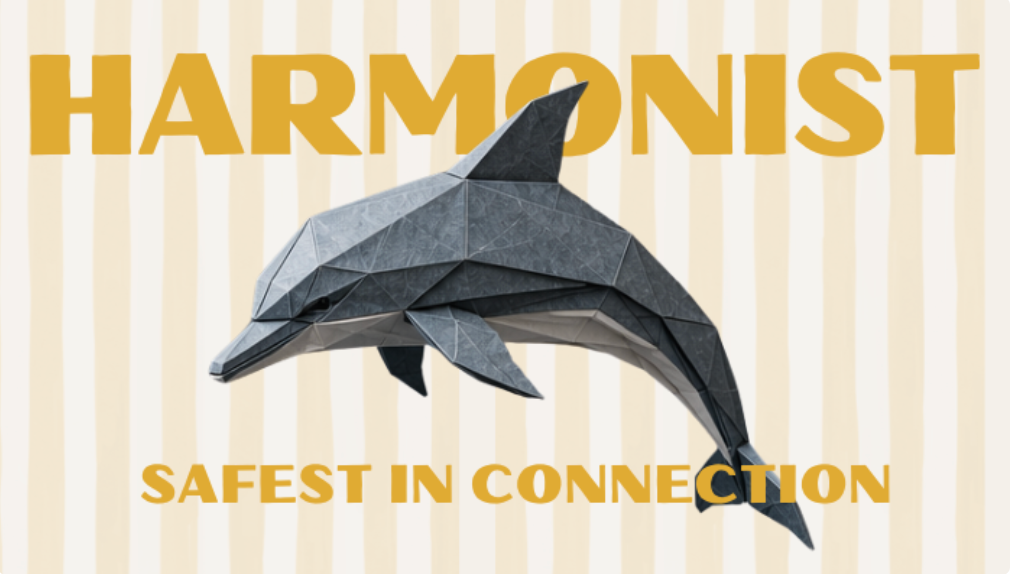
Harmonist — Safety through connection
Harmonists are highly attuned to emotional closeness and relational tone. In marriage, they create warmth and repair, but under stress may over-function emotionally, people-please, or take responsibility for everyone’s feelings.

Visionary — Safety through freedom
Visionaries need autonomy, mental space, and room to process. In marriage, they bring originality and independence, but under stress may retreat, intellectualize, or become emotionally unavailable.

Arbiter — Safety through clarity
Arbiters seek safety through accuracy, logic, and fairness. In marriage, they bring discernment and accountability, but under stress may correct, debate, or prioritize being accurate over being connected.
Most marriage conflict becomes easier to understand when you stop asking only, “What are we fighting about?” and start asking, “What is each nervous system trying to create right now?”
Take the Free Stress Reflex Quiz
Why Trying Harder Still Hasn’t Changed the Pattern
Therapy can be enormously valuable. So can communication tools, attachment work, boundaries, date nights, and all the other things you may have already tried because you genuinely want your marriage to get better.
And if you’re the one who usually sees the problem first, you’ve probably put real effort into this. You’ve initiated the conversations. Sent the podcast. Bought the book. Suggested therapy. Tried giving more space. Tried communicating differently. Promised yourself that next time you’d stay calm.
Then the next real fight happens, and somehow you’re right back in it.
You understand the problem. You may even be able to explain your pattern beautifully. But understanding what to do and being able to do it under pressure are two very different things.
That gap between knowing and doing under pressure is where Stress Reflex begins.
When your nervous system senses disconnection, stagnation, uncertainty, loss of control, confinement, or confusion, it doesn’t stop to consult the communication worksheet on the refrigerator. It reaches automatically for the strategy it has learned feels safest.
The Catalyst creates movement. The Sovereign takes control. The Anchor protects stability. The Harmonist restores connection. The Visionary creates space. The Arbiter searches for clarity.
None of these responses is inherently bad. In fact, the same reflex that creates problems under pressure is often responsible for some of your greatest strengths.
The problem begins when the strategy that normally serves you stops serving your marriage—and becomes even stronger when it activates your partner’s Stress Reflex.
If you’re a Catalyst, for example, you may sense distance or stagnation and instinctively move toward the problem. You want to talk about it, fix it, resolve it, and get the relationship moving again.
But what if your partner’s nervous system responds to pressure by needing space?
You move closer. They move away.
Their withdrawal tells your nervous system, “See? Something really is wrong.” So you push harder.
Your urgency tells their nervous system, “I need more room.” So they retreat farther.
The harder you fight for the marriage, the more it can feel like your partner is fighting against you.
Other combinations create different versions of the same trap. One partner tries to establish the facts while the other desperately wants to feel understood. Correction creates more emotion; more emotion creates more correction. One partner takes control because things feel unstable while the other resists being controlled. Resistance creates more control; control creates more resistance.
Before long, two smart people who genuinely love each other are unintentionally creating the exact reactions in one another they most desperately want to stop.
That’s why you can leave therapy knowing exactly what healthy communication looks like on Tuesday—and completely lose access to it during an argument on Saturday night.
It doesn’t necessarily mean therapy failed.
It may mean insight alone hasn’t changed what happens automatically when pressure arrives.
Stress Reflex gives you another layer to work with. Instead of asking only, What are we fighting about? or even How should we communicate better?, you begin asking:
What am I automatically trying to create when this marriage stops feeling safe—and what does my attempt to feel safe trigger in my partner?
For a woman who is used to being the one finding the next solution, that question can change everything.
Because maybe you don’t need to try harder.
Maybe you need to finally see the pattern underneath all the trying.
Once you can see the marriage at that level, the fight starts to look different.
And for the first time, you have something genuinely different to change.

Tyler, Attorney
“Therapy was helpful, but after two years I felt high-centered. We were maintaining the marriage, but we weren’t really resolving anything.”
“The biggest difference for me was the focus on self-awareness. There’s more ownership and less blame now, and we communicate with less defensiveness.”

Go Deeper With Stress Reflex
Understanding your Stress Reflex can feel like a huge relief. Suddenly, the reactions you’ve judged yourself for—or the things your partner does that make absolutely no sense to you—start to look less random.
But knowing your type is only the beginning.
In Stress Reflex: The Six Ways Smart Lovely Humans Lose Their Minds Under Pressure & How To Not, Chase Thornock takes you deeper into the six reflexes: why they form, how they show up in marriage, what happens when two different reflexes collide, and why your best attempts to fix the relationship can sometimes keep the cycle going.
You’ll learn how to recognize your reflex before it takes over, understand what may be happening inside your partner, and interrupt the pattern without losing the strengths that make you who you are.
This isn’t about becoming calmer, quieter, less passionate, or less driven.
It’s about becoming less automatic—so you can create change without creating more resistance.

Who Stress Reflex Is For
Stress Reflex is for the woman who is tired of being the one pushing for change in her marriage.
You’ve probably already tried something. Maybe therapy. Maybe books, podcasts, communication tools, date nights, boundaries, or another serious conversation about how things need to be different.
You care deeply about your marriage. That’s exactly why staying stuck feels so unbearable.
You notice the distance. You notice when things have gone flat. You notice the same fight happening in different forms. And when you see a problem, your instinct is to move toward it, solve it, talk about it, and get the relationship moving again.
But sometimes the harder you try to fix things, the more your partner withdraws, resists, shuts down, or seems unwilling to engage.
Then you’re left wondering:
“Why am I the only one fighting for this?”
Stress Reflex helps explain what may be happening underneath that cycle.
This book is especially for you if you want to understand why urgency, pursuit, problem-solving, and intensity can show up when your marriage feels stuck—and why those same reactions can accidentally create more of the distance you’re trying to eliminate.
You’ll learn how to recognize your own Stress Reflex, understand what may be happening in your spouse under pressure, and interrupt the pattern before another conversation becomes the same old fight.
This isn’t about becoming less passionate, less direct, or less willing to fight for your marriage.
It’s about learning how to create change without having to force it.
If you’ve reached the point of thinking:
“I know something needs to change. I just don’t know what else to try.”
That is exactly where this book begins.

Why Chase Created Stress Reflex
Chase Thornock is a coach, author, and creator of the Stress Reflex framework.
His work centers on a question that shows up again and again in marriage:
Why can two smart, loving people understand their problems—and still keep repeating the same pattern under pressure?
For Chase, that question became deeply personal.
As a young husband and father, he was struck by a severe autoimmune disease that put enormous strain on his body, his family, and his marriage. He and his wife, Carly, could see what needed to change. They understood the conversations they should have, the ways they wanted to respond differently, and the kind of marriage they were trying to protect.
But insight wasn’t enough.
Chase realized that if he wanted lasting change, he had to work beneath the conscious response and address the automatic patterns his nervous system reached for under pressure. That insight became a turning point in both his health and his marriage—and eventually became the foundation of the Stress Reflex framework.
A Stress Reflex is the automatic strategy your nervous system uses to create safety when something feels unsafe, stuck, disconnected, uncertain, or out of control. For some people, that means pushing harder for change. For others, it means taking control, withdrawing, creating distance, restoring harmony, or searching for clarity.
Chase’s work is especially relevant for people who have already tried to understand themselves. They may have gone to therapy, read the books, learned communication skills, or spent years doing personal growth—and still find that the old reaction takes over when the moment gets hot.
Rather than treating those reactions as personality flaws, Stress Reflex helps people see the pattern underneath them.
That matters deeply in marriage because your reflex rarely happens in isolation. It interacts with your partner’s. The harder one person tries to feel safe, the more they may unintentionally activate the other.
Chase’s goal is not to replace therapy or teach couples to communicate perfectly.
It is to help them work at the level where the pattern becomes automatic—so insight can finally turn into different behavior.
Change your Stress Reflex. Change your marriage.

What Changes Once You Understand the Pattern
When you finally see the Stress Reflex underneath the fight, the whole marriage starts to look different.
Instead of thinking, “Why is he doing this to me?” you begin to recognize what each nervous system is trying to create under pressure.
Instead of assuming withdrawal means he doesn’t care, you can see that it may be his way of creating space. Instead of believing your urgency is simply “passion,” you can recognize when your push for change is creating more resistance.
That doesn’t mean you excuse bad behavior. It means you stop wasting energy fighting the wrong problem.
You become faster at catching the cycle before it takes over. You recover more quickly after conflict. You stop interpreting every difference as evidence that the marriage is broken.
You also stop feeling like the only option is to try harder.
For the Catalyst woman especially, this can be a huge shift. You still get to care deeply. You still get to want more. You still get to initiate change.
But now you can create movement without turning every problem into an emergency.
You can say what needs to be said without chasing resolution.
You can give your partner room without feeling abandoned.
You can recognize when the pattern is running—and choose something different.
The goal is not a conflict-free marriage.
It is a marriage where conflict no longer automatically turns into the same exhausting cycle.
Less chasing. Less shutting down. Less resentment. More clarity, connection, and choice.
Here's what changed for Dana

Dana, Registered Nurse
“We understood our issues — but we weren’t changing them...We moved further, faster, and more deeply than we had in years of prior counseling.”
Understanding the Pattern Is Powerful. Changing It Takes Practice.
Seeing your Stress Reflex can change the way you understand your marriage.
But insight alone doesn’t automatically change what happens in the middle of a real argument.
That’s why Chase created The Marriage Comeback.
The Marriage Comeback is an 8-week experience for couples who are tired of having the same fight in different forms and are ready to change the automatic patterns underneath it.
You’ll learn how to recognize your Stress Reflex in real time, understand what your partner is actually reacting to, and interrupt the cycle before it turns into another round of pursuit, withdrawal, defensiveness, control, resentment, or shutdown.
The goal isn’t to become a perfect communicator.
It’s to make a different response available when the old one would normally take over.
For the woman who has been carrying the emotional momentum of the marriage, this matters.
You don’t need another list of things to try harder at.
You need a way to stop creating more pressure while still honoring the part of you that wants this marriage to grow.
Over eight weeks, you’ll learn how to:
- Catch your Stress Reflex before it hijacks the conversation.
- Stop turning every unresolved issue into an emergency.
- Understand what your partner needs under pressure without abandoning what you need.
- Create movement without chasing, forcing, or over-functioning.
- Repair conflict faster and with less resentment.
- Build new patterns that actually hold when life gets stressful.
The Marriage Comeback isn’t about convincing your spouse to finally change.
It’s about changing the pattern the two of you keep getting pulled into.
And when the pattern changes, the marriage finally has room to change too.